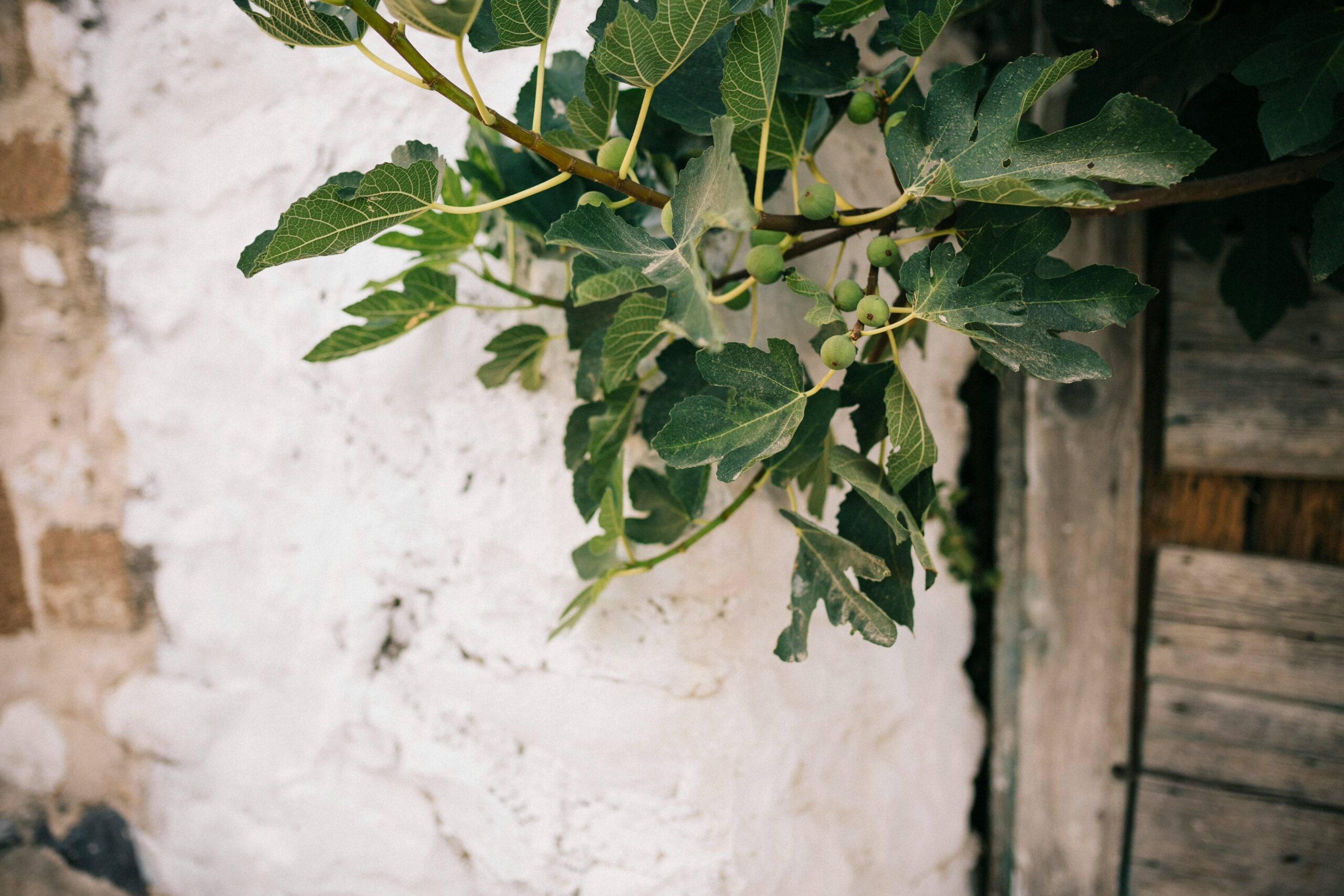
In this series, we are taking an in-depth look into multiple trees mentioned in God’s Word. Trees are one of the most frequent natural creations referred to in specific ways throughout the Bible, and many are mentioned by their species name. For reference, here are several species mentioned that we briefly looked over in the last installment of this blog series.
- Fig
- Acacia
- Olive
- Oak
- Palm
- Sycamore
- Cedar
In the last part of this series, we took a deep look at the olive tree, the most valued tree in Israelite culture, symbolizing peace and renewal of relationship with the Lord.
This time, we will be looking at the fig tree, a sweet fruit bearing tree that appears many times in the Old Testament and the New Testament and is used in proverbial and symbolic analogies by Jesus Christ.
The Spiritual Health of God’s People: The Fig Tree
The fig tree has been a valued part of God’s creation, providing sweet and decadent fruit that has a rich and prized commodity for thousands of years. In fact, the fig tree is the first specific tree mentioned in the Bible (besides the Tree of Knowledge of Good and Evil, of course) and is the only tree we have today that we know was in the Garden of Eden, as Adam and Eve sewed fig leaves together to create coverings for themselves after eating the fruit from the forbidden tree. It is also mentioned in the book of Revelation regarding signs of the end times, so the fig tree is
This tree is commonly seen throughout the Mediterranean region, where it naturally grows, and the figs are harvested and eaten dried and fresh. It is a much smaller tree than the olive tree, yet just as strong and sturdy if the conditions are right. The importance of cultivating and harvesting good figs from a good fig tree lies in how healthy it is and how well it was cared for.
This theme is something that Jesus draws from when comparing the nation of Israel to a fig tree and comparing the abundance we have when we are walking with the Lord, and the withering emptiness we have when we reject the Lord and do not seek Him.
Reflecting on the Spiritual Well-being of God’s People
From the beginning, the fig tree was used in relativity to the relationship mankind held with God and the spiritual health and prosperity of a people who walked with the Lord. Adam and Eve used the fig tree to try to cover their spiritual brokenness and physical shame from God. It was a perfect reflection of the state of their faith and doubt. The moment they began to doubt God and place faith in the words of a serpent rather than heeding His perfect word, they hid and covered themselves in shame.
By God’s grace, the fig tree continued to be a blessing to people even after the great flood, and a healthy, fruit-bearing fig tree became the picture of security and prosperity–God’s gracious hand over the lives of His people. 1 Kings 4:25 speaks of the fig tree to reference the prosperity of Israel during the successful days of King Solomon: “Judah and Israel lived in safety, every man under his vine and his fig tree, from Dan even to Beersheba, all the days of Solomon.”
Throughout the Bible, we see instances where the fig trees are thriving and flourishing when Israel stood close with God, and we also see instances where they are withering and completely wiped away in times of judgement and righteous justice. This is clearly seen in Isaiah 9, where the Lord is displeased with His people and calls out those who say “with pride and arrogance of heart,
“The bricks have fallen down,
but we will rebuild with dressed stone;
the fig trees have been felled,
but we will replace them with cedars.”
The people have ceased to rely on God and the “fig trees” are destroyed; however, instead of looking to God to replant them and hold fast to, they plan to go against God’s plan and replace them for what they believe will benefit them more. This is a picture of Israel in a place where they stand in a spiritually unhealthy place in regards to their relationship with the Lord.
In Matthew 21, Jesus curses a fig tree in a passage of Scripture that may seem out of place if the meaning behind the fig tree is not understood. He sees a fig tree in the distance and hopes to retrieve fruit from it, but upon closer look notices that the leaves are dried and the tree is bare and withering. There are multiple interpretations that have been found of this event, but we can see this fig tree without fruit as a parable lesson, alluding to those who should be bearing good fruits, and from a distance appear to be, but are instead dry and bare, and thus hypocrites and not carrying out God’s perfect calling for their lives. This serves as an important reminder to live life and walk with God in humility, seeking to edify others and healthily grow in a spiritual light.
Through just these few Scriptures, we can see so much of the importance of the fig tree and the role it takes through symbolism of God’s people and their standing with him. May we seek to grow and continue in a healthy relationship with God and His Word, placing our trust in Him with humility. Praise God for His never-ending love for His people and creation, and His cultivating of the fig tree–His children!
Written by NBB Alumna: Emma Fernandez